

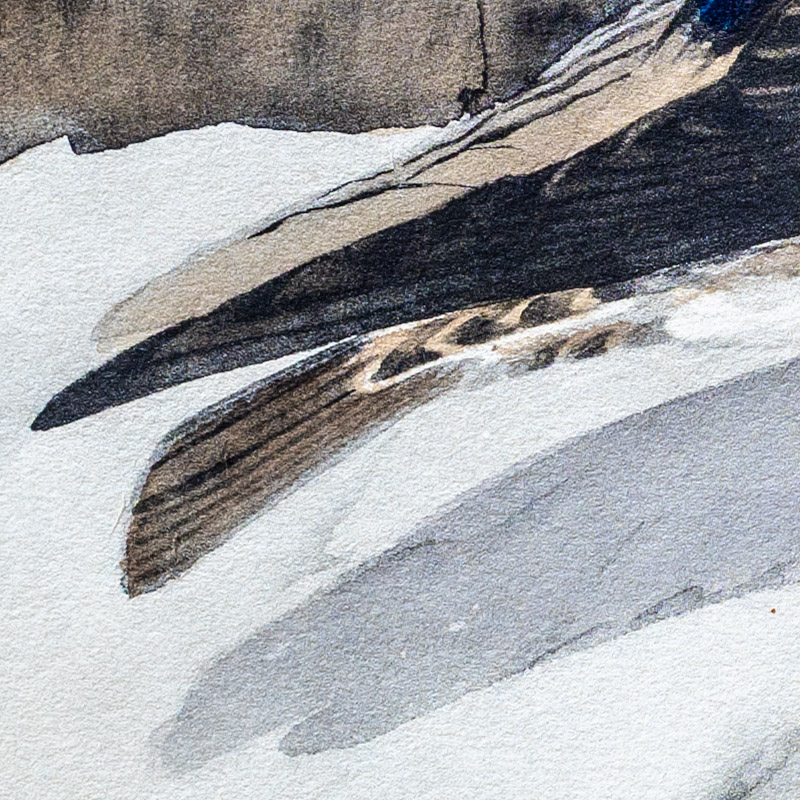
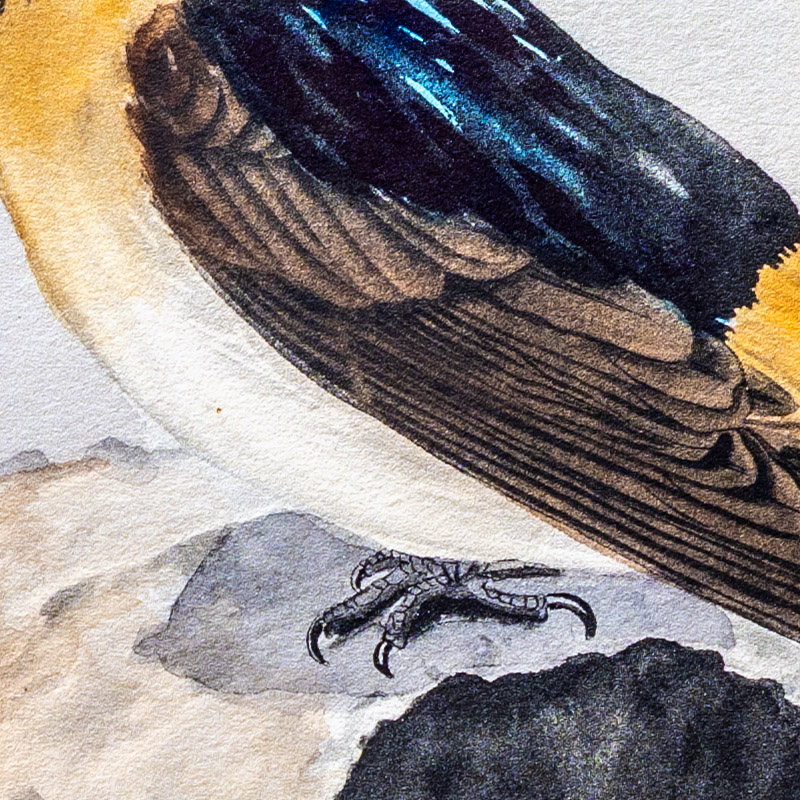
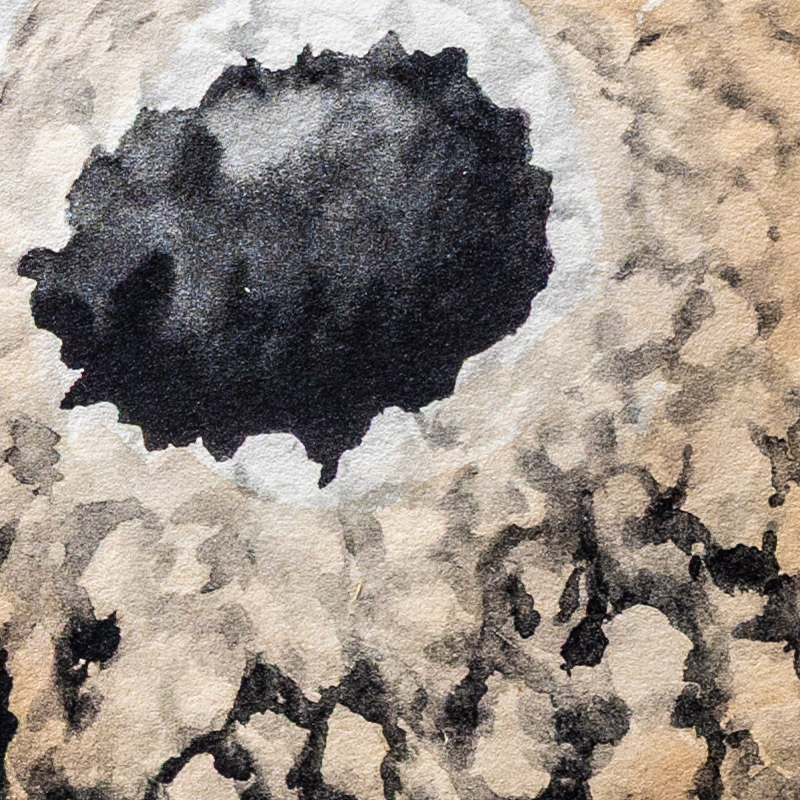

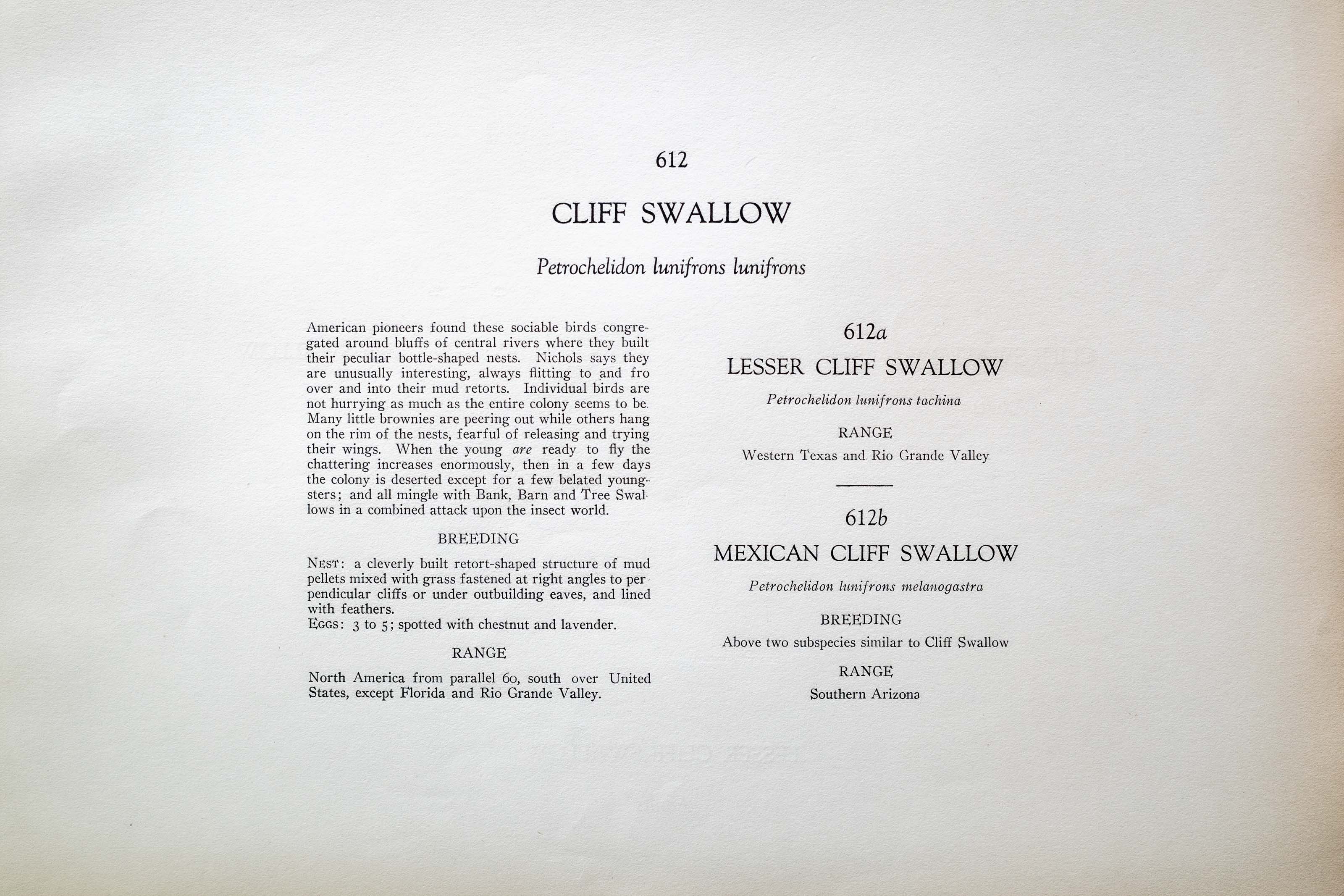
American pioneers found these sociable birds congregated around bluffs of central rivers where they built their peculiar bottle-shaped nests. Nichols says they are unusually interesting, always flitting to and fro over and into their mud retorts. Individual birds are not hurrying as much as the entire colony seems to be. Many little brownies are peering out while others hang on the rim of the nests, fearful of releasing and trying their wings. When the young are ready to fly the chattering increases enormously, then in a few days the colony is deserted except for a few belated youngsters; and all mingle with Bank, Barn and Tree Swallows in a combined attack upon the insect world.
NEST: a cleverly built retort-shaped structure of mud pellets mixed with grass fastened at right angles to perpendicular cliffs or under outbuilding eaves, and lined with feathers.
EGGS: 3 to 5; spotted with chestnut and lavender.
North America from parallel 60, south over United States, except Florida and Rio Grande Valley.
Western Texas and Rio Grande Valley.
Above two subspecies similar to Cliff Swallow.
Southern Arizona.