
In 1895:
Theodore Roosevelt was named head of the Police Commission in New York City.
“Beside the Bonnie Briar Bush” was the best-selling sheet music song.
Japan and China were at war.
Frederick Remington, the well-known American landscape artist, created his first sculpture, “The Bronco Buster.”
14-year-old Pablo Picasso had his first major public exhibition.
San Francisco newspapers featured accounts of Bannock tribal members leaving their reservation in Idaho, causing panic among the white settlers of the area.
The Duryea brothers won the first automobile race in the United States, finishing the 50-mile race in seven hours — a time much slower than most bicyclists of the time.
16-year-old Albert Einstein was working out the ideas that fractured the science of physics ten years later.
Cuban rebels were fighting to free the country from Spain. Spanish warships were seizing gunrunners off the coast of the United States.
Catherine Lee Bates published the words for “America the Beautiful.”
Frederick Roentgen discovered X-rays and took a picture of his wife’s hand to demonstrate the discovery.
The New York Times covered a controversial art exhibition that eminent guardians of public morals decided could include nude images of women but not of men.
Bicycle racing and bicycle riding were two of the most popular activities in the United States.
James Allen, a Yale graduate of 1884, returned to Connecticut after an 1886 blizzard ended his cattle ranching venture and subsequently joined a small printing company in Meriden, where he later became president.
The Panic of 1893 and the resulting depression still gripped the economy of the United States.
On August 7, 1895, 26-year-old Rex Brasher withdrew his savings from the bank, and along with his sailing partner George Middleton, embarked on the 28-foot sloop Phalarope to sail down the east coast of the United States in his quest to paint all the birds of North America.
Upon finishing his last painting, Rex declared to his partner Marie, “Well, let’s see, it is two o’clock on September twenty-fourth, 1924. I’ve been at this thing since May 16th, 1877. That adds up to — just forty-seven years, four months, eight days — and twenty-three minutes.”
After winning the gold medal in figure skating this year, Alysa Lui said, “I came here with one purpose: to show my art.” Nearly a century earlier, Rex harbored the same ambition to share his paintings with a broader audience. By 1928, he was living in “Chickadee Valley,” his farm in upstate New York. Surrounded by his finished paintings and the uncertainty of what to do next, he conceived a plan. He would publish the work as black and white prints, colored by hand with an airbrush. To execute it, he formed Rex Brasher Associates with Katherine Marie (Kay) and Philip Brasher, his niece and nephew. Rex would color the prints, Kay would write the text, and Philip would raise the capital.
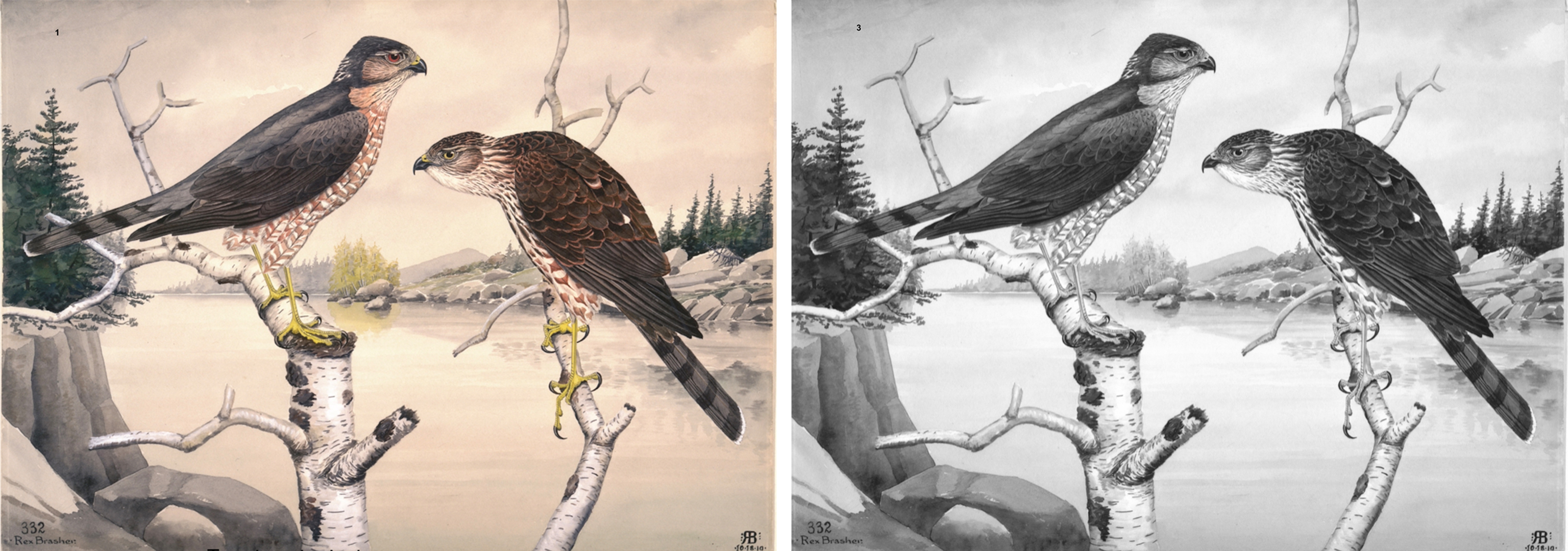
However, Rex struggled to find a printer who could meet his exacting standards. The first printer he contacted bowed out immediately, and a New York City firm delivered a sample print that fell short. The ink was heavy and dark, bereft of the tonal range required for airbrushing transparent watercolors.
Rex needed a black and white print with very high tonal value. In theory, white surfaces reflect back, and black surfaces absorb all of the light that falls on them. Printer paper rated zero, and black ink rated one. Rex required a tonal range of 0 to 1,000 — white at one end, black at the other, and a wealth of gray shades in between. The paper he used measured near zero on the tonal scale. and the printing ink measured one thousand. Filling the gap between 0 and 1,000 had long challenged printers and artists trying to create fixed forms in multiple copies. An artist or photographer could produce tone relatively easily — simply mixing black and white yielded a shade of gray. But how could a printer produce shades of gray from black ink? How could variations of tone be created?
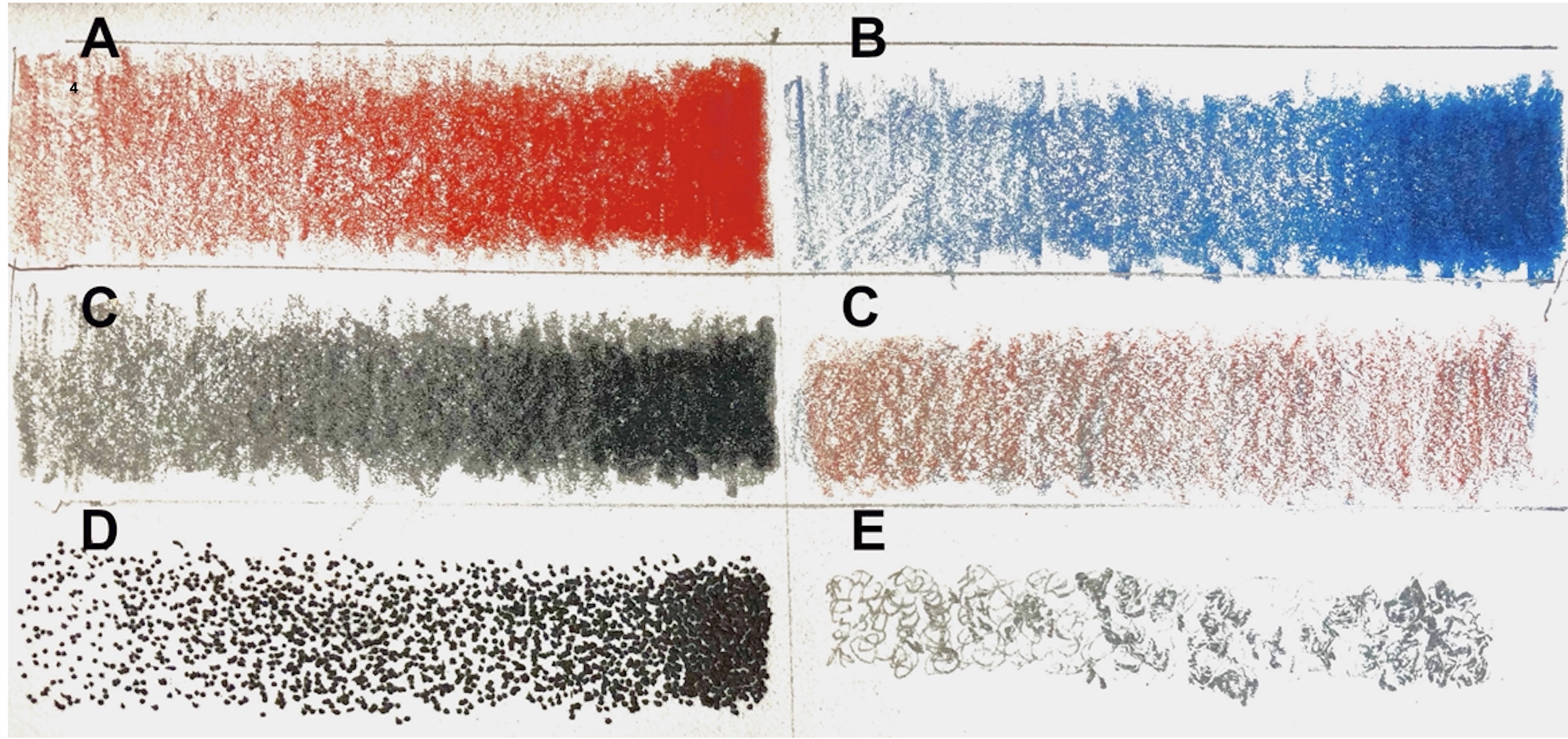
When an artist uses colored pencils on white paper, a wide tonal range can be achieved by changing the pressure. Light pressure allows the white background to show through, while heavier pressure fills in the paper and increases the tone or value. Cross-hatching provides another method, and layering one color over another deepens the tone. In pointillism, varying the density and pattern of small dots creates darker and lighter shades, a technique still used in scientific illustration to emphasize important details. Some printing processes, especially collotypes, employ irregular clusters and sizes of ink dots to produce wide variations of tone. In watercolor, varying the ratio of pigment to water allows painters to mix tones across a large range. The inherent transparency of watercolor enables an artist to achieve a remarkable depth of tone.
Fortuitously, the Associates were directed to the Meriden Gravure Company, which had a reputation for printing finely rendered art and scientific books. Harold Hugo, a 19-year-old sales manager at the time, traveled to Chickadee Valley to interview Rex and assured him that Meriden could preserve the tonal values in the black and white prints.

In the introduction to The Printed Picture, Richard Benson writes, “An underlying premise of the book is the fact that printing, photography, and digital technology as applied to pictures are all aspects of a single ancient process: that of creating fixed forms in multiple copies. I believe that pictures are as important as language, and together they form the glue that holds society together.” Benson began his career as a printer with Meriden Press in the mid-1960s and eventually became chair of the art department at Yale University. To accompany the book, he produced an entertaining and informative video series covering the various aspects of printing and its history. Although the book is now out of print, copies can be found in some used bookstores, and the video is available on YouTube and is well worth watching.
In the book, Benson explores four printing techniques, detailing the histories and variations of stenciling, raised relief, intaglio, and planographic printing.

Stenciling involves creating a mask from a suitable material, such as heavyweight paper, thin metal, thin plastic, or — in the earliest known examples — the back of the artist’s hand, as seen in the hand and handprint silhouettes found in caverns in France. Paint is then brushed or sprayed through the cutouts in the stencil. Rex cut hundreds of stencils and used an airbrush to add color to his prints. Silk-screen printing is a modern variation of stenciling. It uses a fine mesh screen as the stencil, allowing ink or paint to pass only where the screen has been opened. This makes it possible to reproduce images quickly and consistently.
Among the basic printing methods available, stenciling offered the best combination of affordability and quality for Rex.
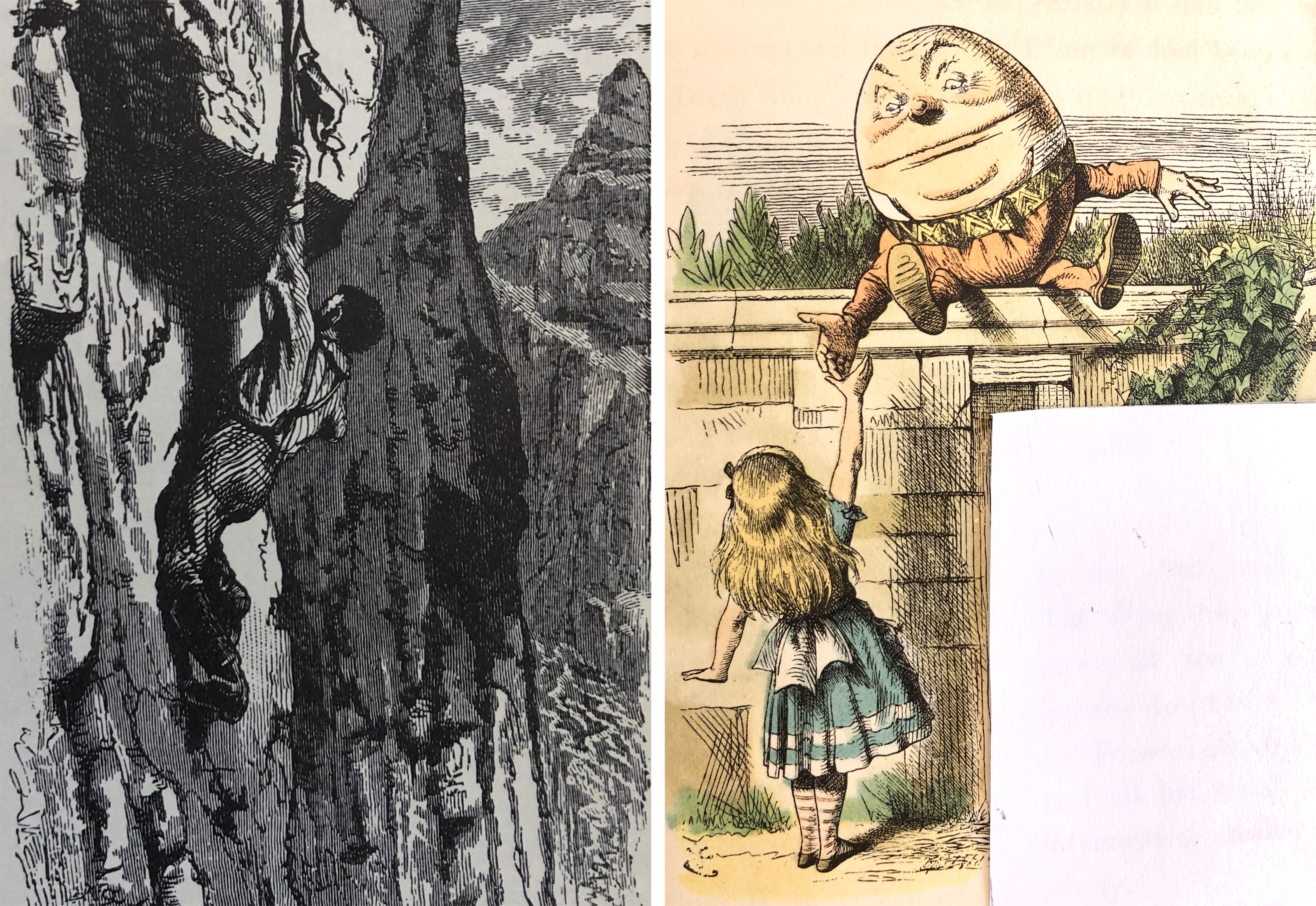
Raised relief printing begins when an artist draws a picture on a block of fine-grained wood and carves away the areas that should not carry paint or ink, leaving a raised surface for printing. The first movable type was carved from wood, and starting with the Gutenberg Bibles, it made possible the first mass-produced books. Lead type soon replaced wood for text, but woodcuts continued to illustrate books before and after photographic methods were introduced. More detailed work on the end grain of fine-grained wood produces exceptionally fine printed images. Block printing remains a popular method for creating artwork, and raised relief type happily clattered its way into typewriters.
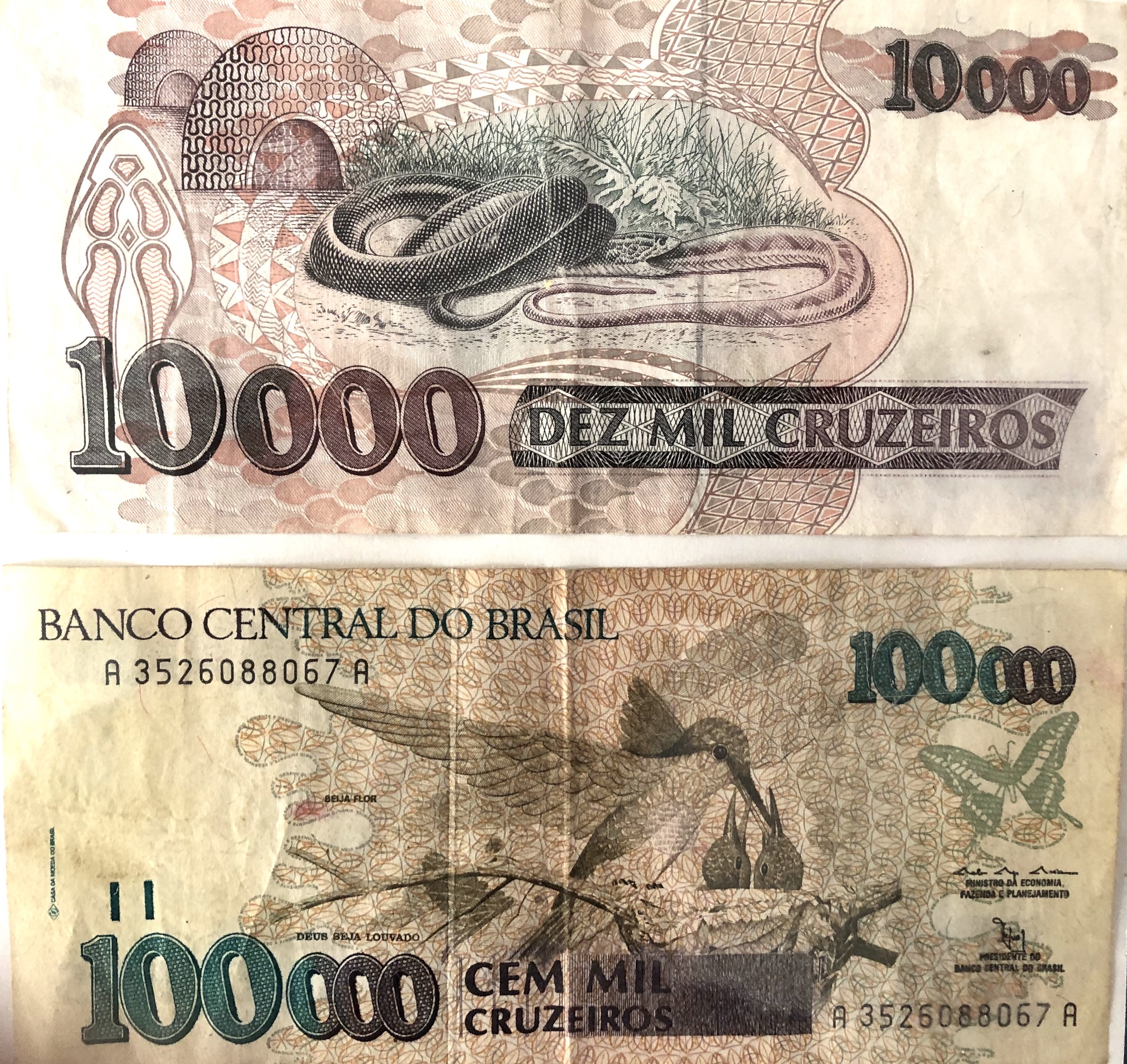
Unlike relief printing, which transfers ink from raised surfaces, intaglio prints are made by engraving or etching an image into a flat plate of copper or steel using sharp metal tools. Ink is applied to the plate and then mostly wiped away, leaving ink only in the incised lines. The plate is locked into a press and printed onto dampened paper under high pressure, forcing the paper into the ink-filled depressions. This technique produces very detailed artworks and illustrations and continues to do so today. Modern intaglio methods include coating the plate with a photo-sensitive layer and chemically etching the surface. Many variations exist, commonly called photogravures. The United States continues to produce intaglio prints for currency and postage stamps, demonstrating the method’s precision and enduring relevance.

Lithography, or “printing with a rock,” originated on fine-grained limestone slabs in Solnhofen, Germany, where artists discovered a way to print from a flat surface. Because the stone is extremely fine-grained — less than 1/250 mm — it could absorb water, stay damp for a time, and be ground perfectly flat. Artists drew greasy or waxy images on the dry stone and then dampened it with water; the drawing repelled the water while the stone absorbed it. Oil-based ink was rolled over the surface, sticking to the greasy drawing and being repelled by the water. The inked image was then transferred to paper with a high-pressure roller, allowing many prints to be produced from a single stone.
Modern high-speed photo-offset lithography evolved from this process. Plates made of thin plastic or aluminum carry the image through a photographic method, and presses can print on almost any surface at very high speed and resolution. The principle that oil-based ink and water repel each other remains at the core of lithography. Original stone-based methods, dating back to the 1700s, are still used for fine art reproduction today.
Collotypes are planographic in the way they print from a flat surface, but they also share some properties with intaglio printing. Their remarkable quality lies in reproducing nearly continuous toned artwork with no visible grain, though achieving this precision involves significant technical challenges. Meriden Press had a long history working with the medium, along with the necessary equipment and highly skilled printers. Their expertise satisfied Rex — a compliment we might all wish to receive — and at the right price.
The collotype process was developed in Europe in the 1830s and has gone through many iterations since. Meriden Press used the process for customers who demanded work of exceptional fidelity, including art catalogs and scientific illustrations. The presses consumed considerable floor space, and only three people in the company were skilled in the technique. It is still practiced by a few artists who see the merit in an elaborate process and the uncertainty of producing nothing at all.
It began by coating a large glass plate with a mixture of melted gelatin and a photo-sensitive chemical. After several more steps over a few hours, this produced a high-resolution photographic plate, which was then exposed to a high-resolution negative of the artwork to be reproduced. Washing the plate at a precise temperature caused the exposed gelatin, if all went well, to form a fine net-like pattern. The exposed gelatin hardened in the exposed areas and became water-resistant, while the unhardened areas attracted water and repelled ink. During printing, the hardened areas accepted ink and produced the darkest tones, while the unhardened areas yielded the lightest.
Before printing, the plate was dampened, causing the unexposed portions to swell slightly above the hardened areas and repel water. Oil-based ink was applied, adhering only to the hardened sections. Lightly dampened paper was loaded into the collotype press, and the image was printed with enough pressure to reach the slightly recessed inked regions. The process combines elements of lithography and intaglio, and the fine-grained structure of the plate produces prints with a wide range of tone and detail, faithfully replicating the original image.
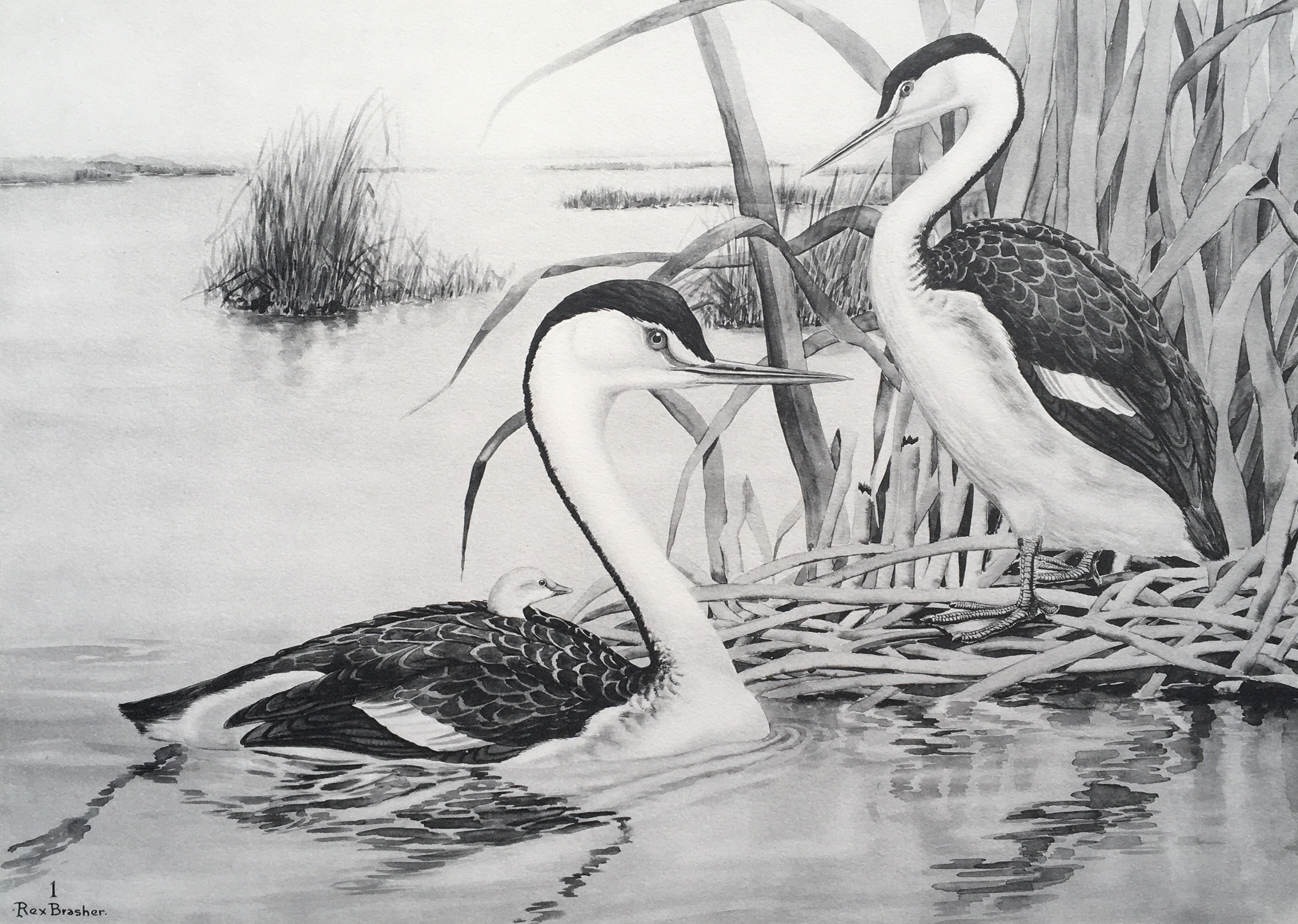
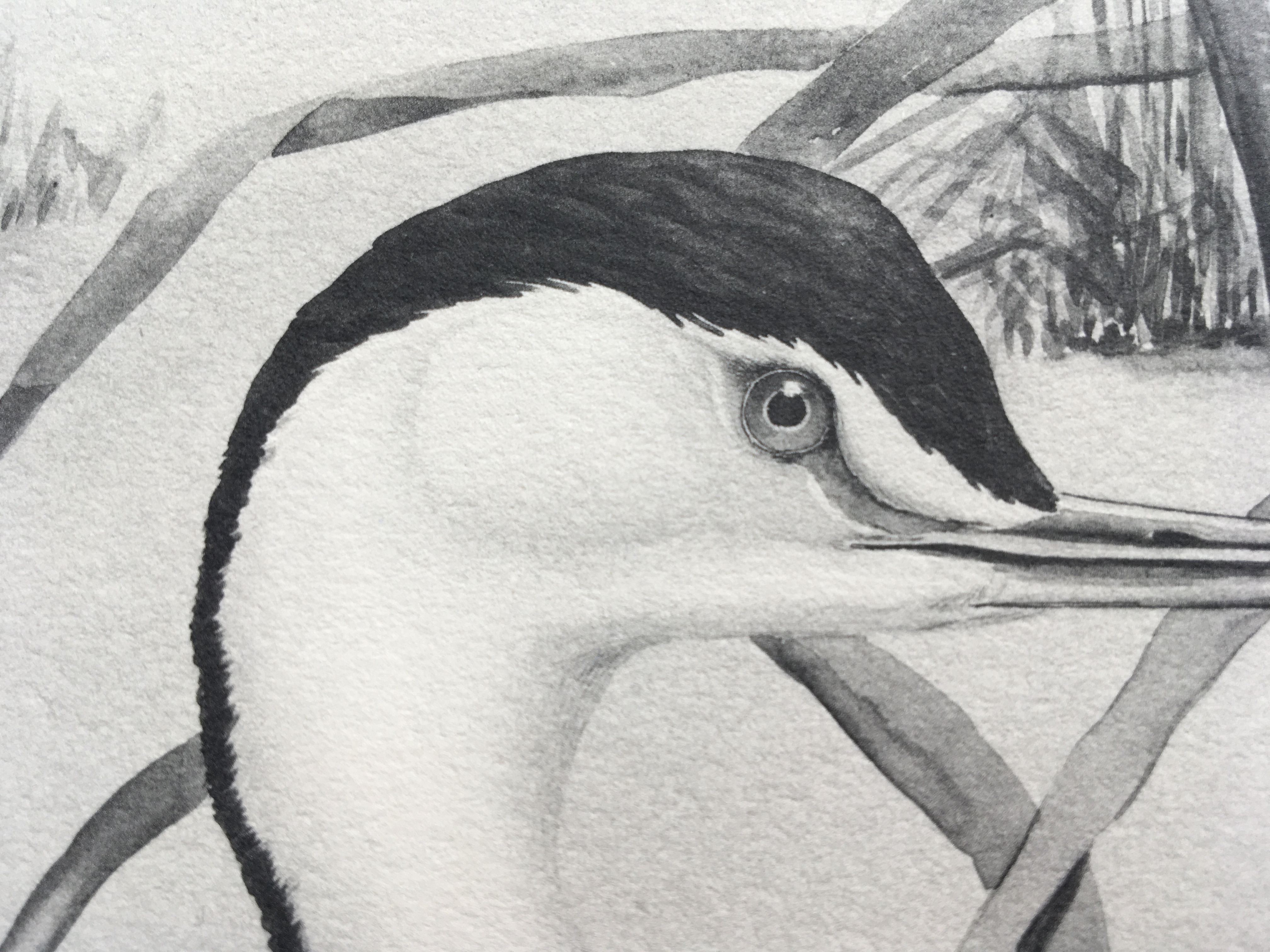
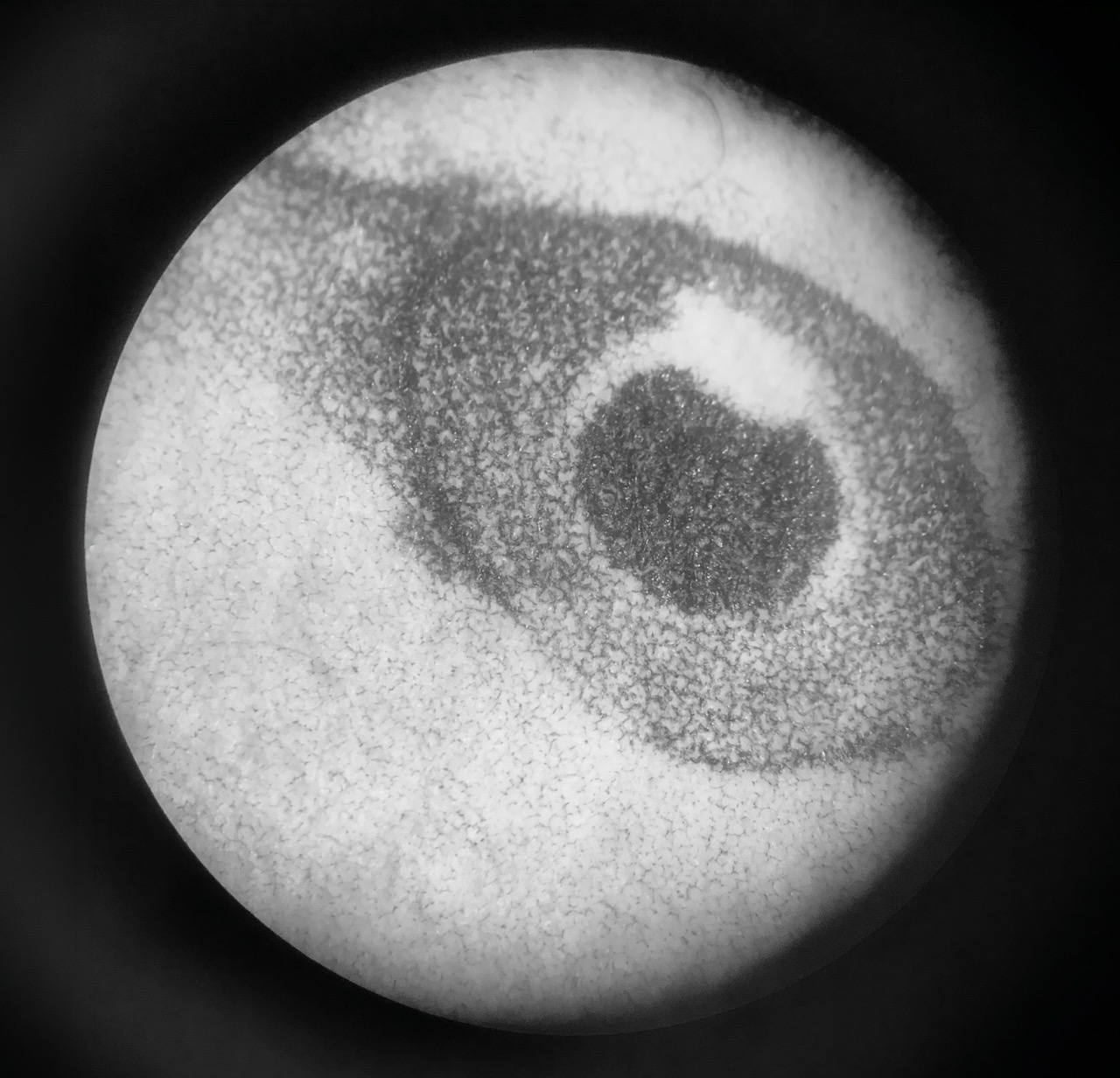


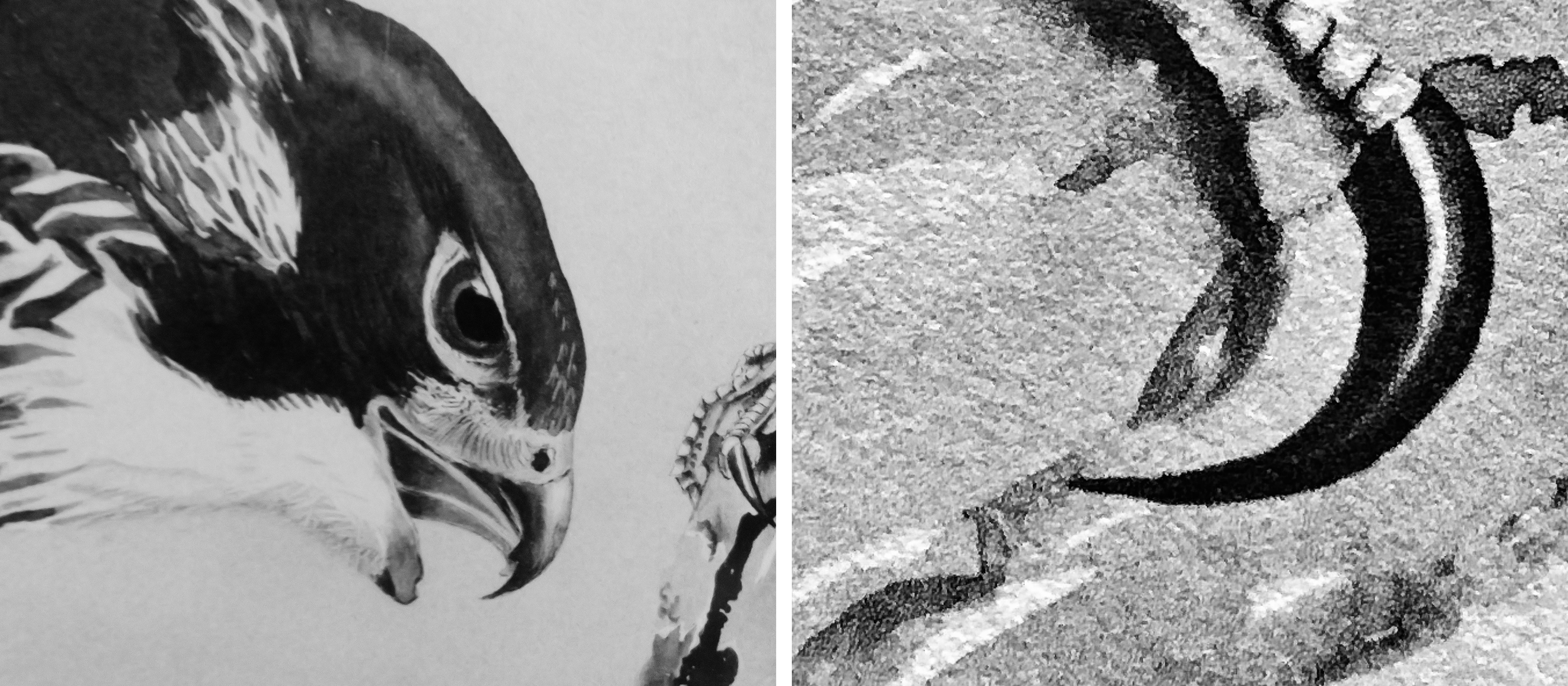
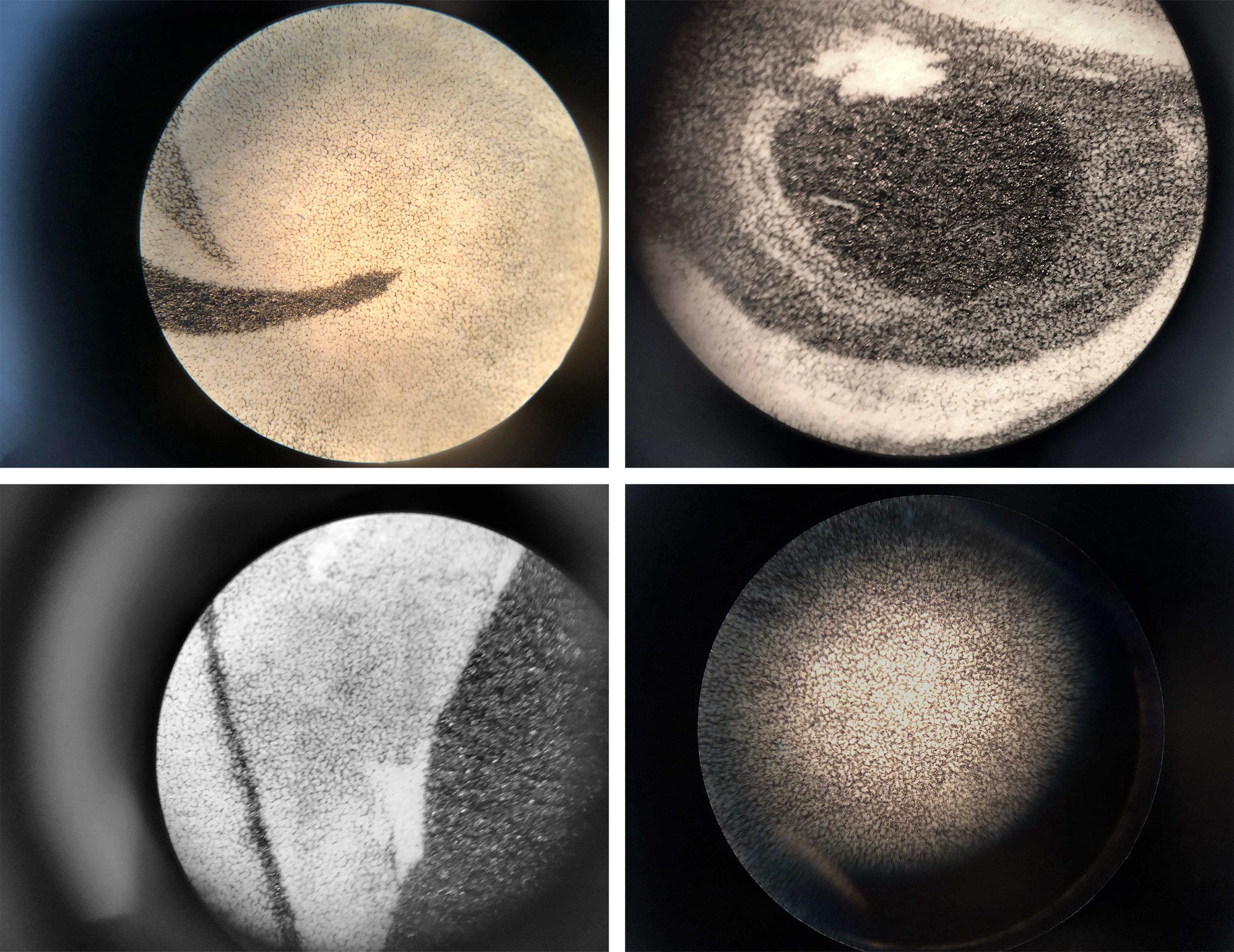
During this study, 35 prints were examined using a 30× stereoscopic microscope. Several photos were taken directly through the eyepiece with a cellular phone — a tedious and time-consuming process that produced many more rejects than usable images. In all cases, the observed prints were of high quality. The patterns seen were consistent: a reticulated network of tiny polygons, loosely woven together. In some areas, the polygons merge to form solid black regions; in others, they appear as faint open forms, and in some sections only the blank white paper is visible. These patterns are invisible to the naked eye. The photos below illustrate some of the observed patterns.

Since the collotype was one of Meriden Gravure’s principal methods for art reproduction, it is reasonable to assume they used this technique for Rex’s prints. Numerous online sources describe and illustrate the collotype process, which can provide evidence supporting the identification of Rex’s black and white prints as collotypes.
A good starting reference is The Atlas of Analytic Signatures of Photographic Processes: Collotypes by the Getty Conservation Trust, which includes both a historical overview of the collotype method and guidance for identifying its characteristics.
Another excellent source on the many aspects of printing is the video series based on Richard Benson’s The Printed Picture. The series, which can be accessed at printedpicture.artgallery.yale.edu, runs eight hours in total, but the section titled “Photography in Ink: Planographic Printing” covers collotypes specifically. Benson began his career at Meriden Gravure in the mid-1960s, when the company still produced collotypes, giving him firsthand experience with the process. He praised the quality of the finished prints while noting the complexity — and sometimes absurdity — of the method. The video includes numerous examples of collotypes, as does the companion book. The collotype images Benson presented share a similarly rich tonal range and fine detail with Rex’s prints.
That quality is evident in the volumes themselves. The Soffer Ornithology Collection Notes at Amherst College contains a comprehensive review of Birds and Trees of North America. Each volume of the twelve-volume set is described with comments. The reviewer noted that volumes 1-10 are composed of collotype prints, while volumes 11 and 12 were made in half-tone. All of the prints were hand-colored by airbrushing and detailed by hand brushing.
Notably, volumes 11 and 12 were the first to be colored and sent to subscribers. It remains unclear why halftone, which creates tonal variation by photographing the original through a fine screen, was used instead of collotype. According to Rex’s biography, the 12th volume was prioritized because it featured some of the most visually striking birds, expected to drive future sales. This choice underscores both the practical and aesthetic considerations that shaped the publication process.
The history of the Meriden Gravure Company is comprehensively documented in In the Service of Scholarship: Harold Hugo and the Meriden Gravure Company by William Glick (Oak Knoll Press, 2017). Glick’s account of Harold Hugo’s 1929 visit to Chickadee Valley and the ensuing collaboration between Meriden Gravure and Rex corroborates Milton Brasher’s narrative in Rex Brasher: Painter of Birds, providing valuable context for the technical and artistic decisions behind the prints.


Tone is the grand illusion of photography. Photographs and printed images create the illusion of continuous shades of gray using tiny squares of ink. Up close, each square is distinct. Step back a few feet, and they blend together, forming shades of gray. This is why black ink appears gray sometimes. Printers process an image through a fine screen, which divides the image into thousands of dots. The first screens were etched on glass at 100 lines per inch and later refined to 300 lines per inch. A magnified image covering just 0.2 inches can contain thousands of these tiny dots, far beyond what the human eye can detect on its own, which maxes out at about 150 lines per inch. This is how black ink can create the illusion of gray and produce subtle tonal variation.
Meriden Gravure retired its collotype presses in 1967. By then, the company had already adopted photo-offset lithography, which became the standard method for printing photographic images on nearly any surface. Despite new technology, the process still relied on the same basic principle as traditional lithography: oily ink and water repel each other.
Computers transformed printing once again. Modern inkjet printers produce images at resolutions far higher than anything that came before, and they do it without taking up more space than a typewriter.
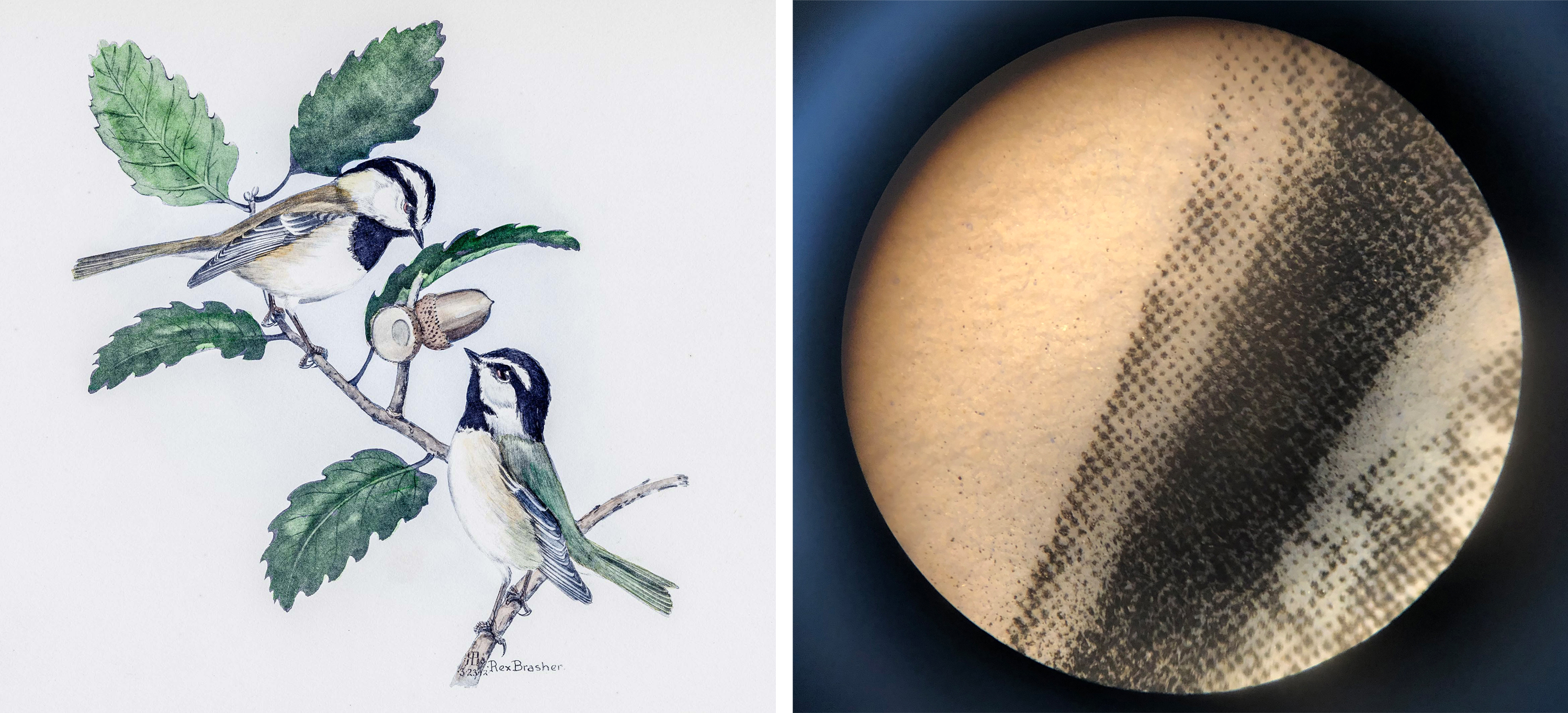
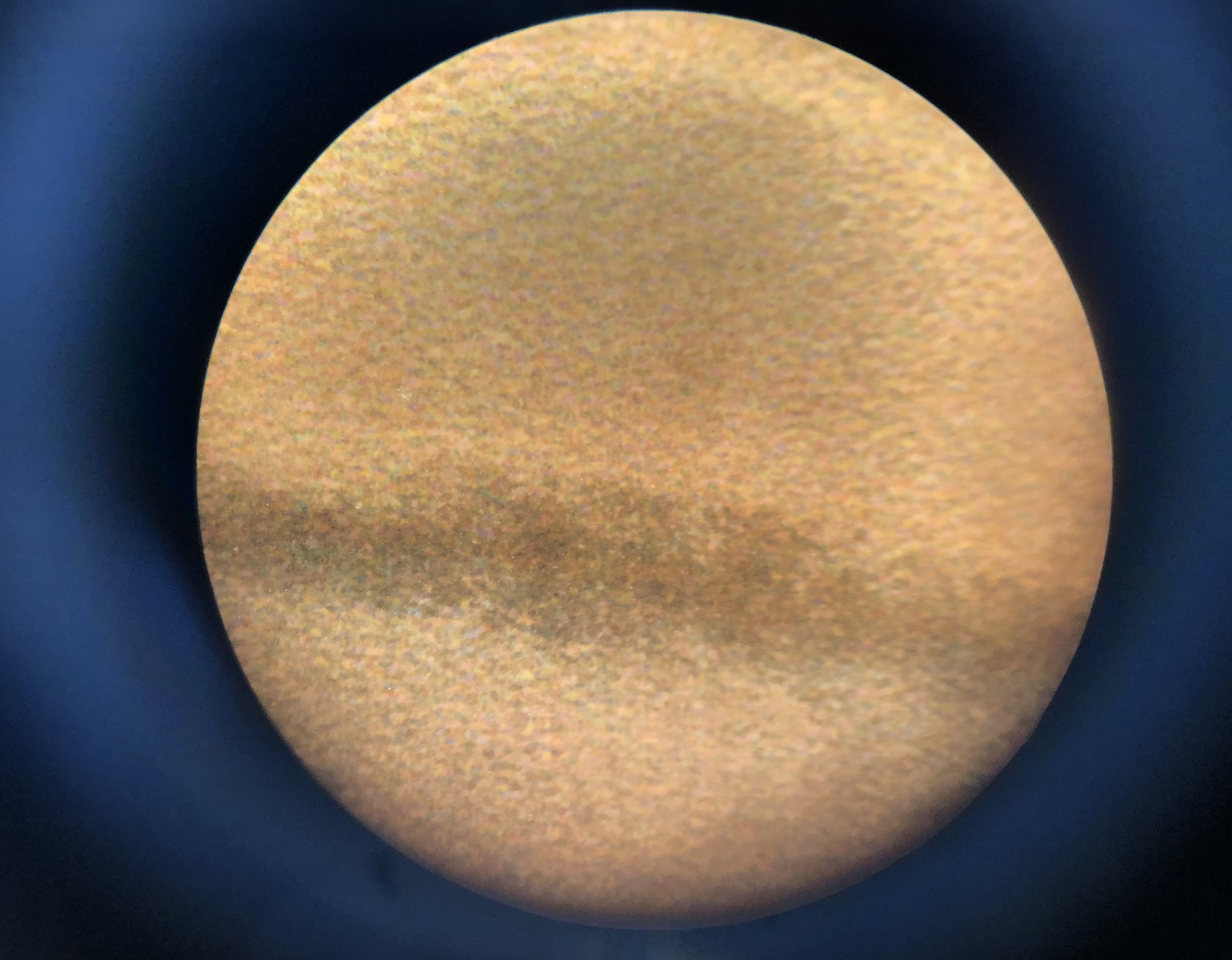
Black and white laser printers can create up to 270 shades of gray by adjusting the density of black toner, all controlled by software. The resulting images cannot match the richness and detail of a collotype, but they are more than sufficient for most purposes. Color inkjet printers use the same principle, layering tiny droplets of colored ink to produce thousands of tones. By combining these colors, printers can reproduce everything from soft sunrises to flocks of birds in flight. Printing has evolved from massive presses to desktop machines, but it still aims to achieve the same goal, creating images that feel continuous, rich, and alive.
